

Sleep Dentistry: A Guide to Managing Anxiety at the Dentist

What Is Sleep Dentistry, and Can It Really Help You?
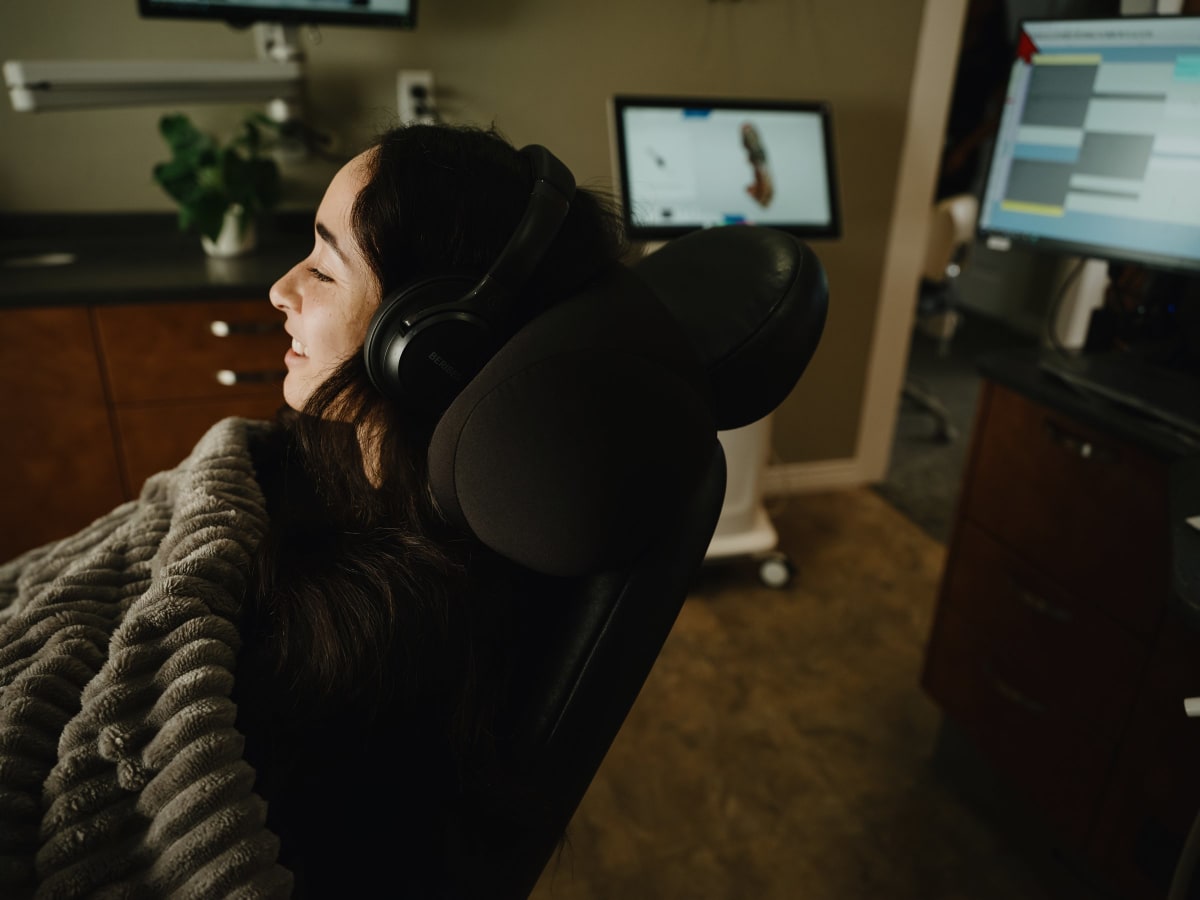
Sleep dentistry, also known as sedation dentistry, uses medication to help patients feel calm and comfortable during dental procedures. Despite the name, patients typically remain conscious but deeply relaxed throughout their treatment. This approach addresses dental anxiety, which affects many people and can prevent them from receiving necessary oral health care.
At Pristine Dentistry, Dr. Ashley Koppel and Dr. Benjamin Koppel provide sedation options for patients who experience anxiety about dental visits. Sedation dentistry can benefit those with dental phobia, sensitive gag reflexes, difficulty sitting still for extended periods, or anyone who simply prefers a more relaxed dental experience.
Sedation dentistry uses safe, monitored medications to reduce anxiety and discomfort during dental treatment. The level of sedation can be adjusted based on individual needs and the complexity of the procedure being performed.
Continue reading to learn about the different types of sedation available, who makes a good candidate, and what to expect during your visit.
Quick Overview
- Sedation dentistry uses medication to help patients feel calm and relaxed during dental procedures while typically remaining conscious.
- Multiple sedation options are available, including nitrous oxide, oral conscious sedation, and IV sedation, each offering different levels of relaxation.
- Good candidates include patients with dental anxiety, sensitive gag reflexes, or those needing extensive dental work completed in fewer visits.
- Sedation dentistry is considered safe when administered by trained dental professionals following proper protocols and monitoring procedures.
- Proper preparation includes following pre-appointment instructions and arranging transportation, as most sedation options require recovery time.
Why So Many People Avoid the Dentist (And Why That Makes Things Worse)
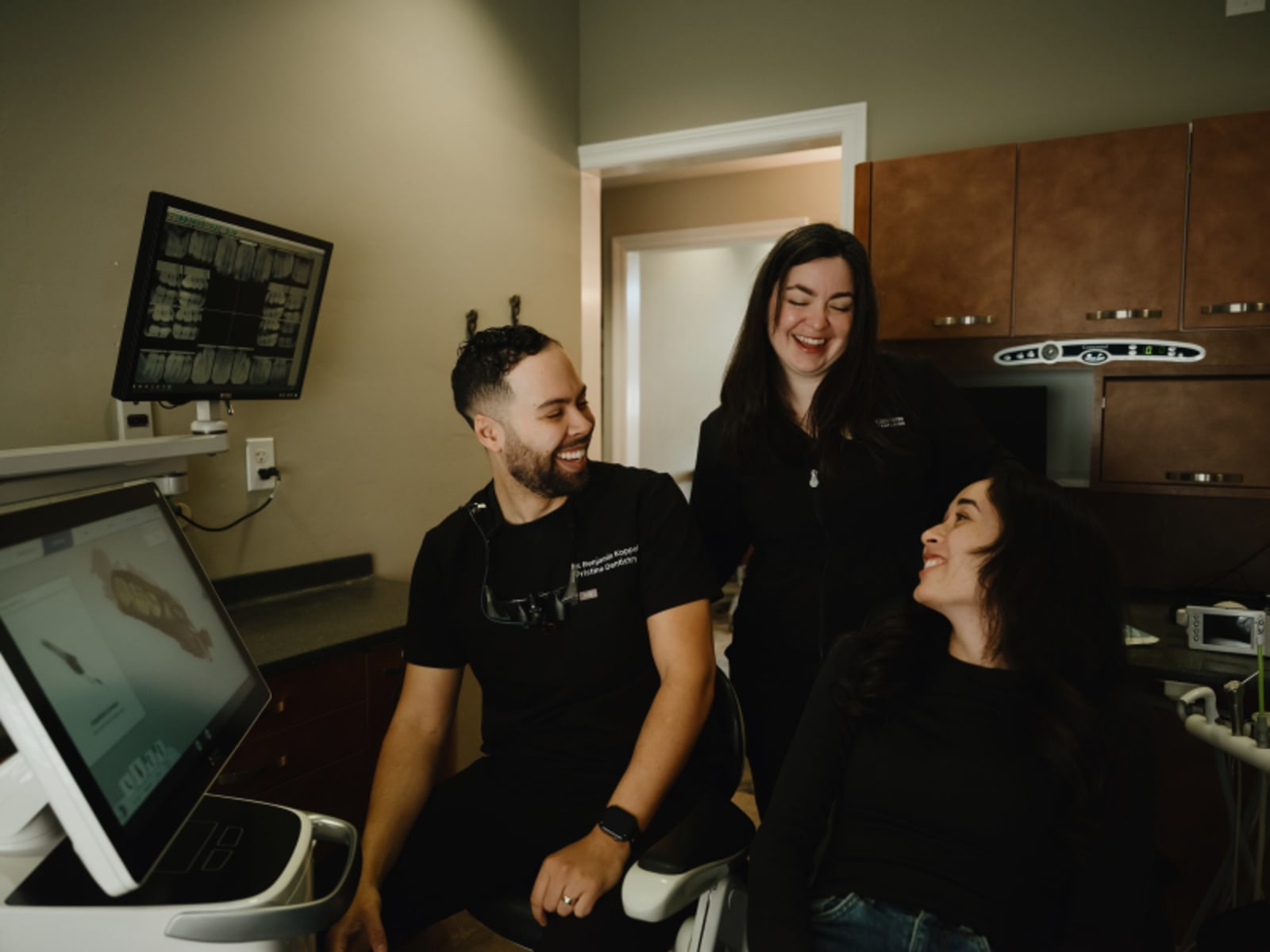
Dental avoidance is common, and the reasons patients delay care are understandable. Many people develop anxiety based on past experiences or specific concerns about dental treatment.
Dental anxiety often begins with a particular incident—a difficult childhood experience, discomfort during a procedure, or feeling overwhelmed during treatment. Over time, these memories can lead to postponed appointments and extended gaps in care.
Common triggers for dental anxiety include:
- Sounds associated with dental equipment
- Fear of injections or needles
- Feeling unable to control the treatment process
- Previous negative dental experiences
- Concerns about the current condition of teeth
Delaying dental care typically leads to more complex treatment needs. Minor issues like small cavities require simple treatment when addressed early, but can develop into conditions requiring more extensive procedures when left untreated. Early-stage gum disease responds well to basic treatment, while advanced periodontal disease requires more involved care.
At Pristine Dentistry, we provide care without judgment regardless of how long it has been since your last visit. Our focus is on helping patients receive the treatment they need in a comfortable environment.
Sedation dentistry serves as a practical solution for patients who experience dental anxiety. It provides additional support to help patients feel comfortable during treatment. For more information about managing dental anxiety, our guide to managing dental visit anxiety offers helpful strategies.
The Different Types of Dental Sedation Explained
Sedation dentistry encompasses several different approaches, each designed to address varying levels of dental anxiety and different types of procedures. The appropriate sedation method depends on your comfort level, medical history, and the complexity of your treatment.
At Pristine Dentistry, we provide three types of sedation to accommodate different patient needs and dental services.
- Nitrous oxide (laughing gas): This mild sedation option involves breathing a mixture of nitrous oxide and oxygen through a small mask placed over your nose. The medication produces a relaxed, calm feeling while allowing you to remain fully conscious and responsive. The effects begin within minutes and wear off quickly after the mask is removed, allowing you to drive yourself home. Nitrous oxide is commonly used for routine cleanings, fillings, and shorter procedures.
- Oral conscious sedation: This moderate sedation involves taking prescribed medication before your appointment. The medication produces deep relaxation and drowsiness while maintaining your ability to respond to verbal instructions. Many patients have limited memory of the procedure. Because the sedation effects last several hours, you will need transportation to and from your appointment.
- IV sedation: This deeper level of sedation is administered intravenously, allowing for precise control and adjustment throughout your procedure. IV sedation produces profound relaxation and most patients have no memory of the treatment. This option is typically used for patients with significant dental anxiety, strong gag reflexes, or those undergoing extensive procedures. Transportation and recovery time are required.
The selection of sedation type involves a thorough discussion of your anxiety level, medical history, and treatment requirements. Dr. Ashley and Dr. Benjamin Koppel will review these factors with you to determine the most appropriate option for your specific situation.
If you have questions about sedation options or would like to discuss which approach might be suitable for your needs, please call our Vista office at (760) 945-4189.
Who Is a Good Candidate for Sedation Dentistry?
Sedation dentistry serves patients with various needs and comfort levels. Many people find it helpful for managing anxiety and ensuring a more comfortable dental experience.
Patients who commonly benefit from sedation include:
- Those with moderate to severe dental anxiety or phobia
- Patients with a sensitive gag reflex that interferes with treatment
- People who have difficulty achieving adequate numbness with local anesthetic alone
- Individuals with sensory sensitivities, special needs, or conditions that make sitting still for extended periods challenging
- Anyone requiring multiple procedures who prefers to complete treatment in fewer appointments
- Patients who have had difficult dental experiences in the past
Sedation is not appropriate for everyone, and a thorough health history review is essential. Certain medical conditions and medications can affect how your body responds to sedation. At Pristine Dentistry, we review your complete medical history and current medications to determine if sedation is safe and appropriate for your specific situation.
The evaluation process includes discussing your health conditions, medications, and treatment goals. This ensures we can provide safe, effective care tailored to your needs.
If you have questions about whether sedation dentistry is right for you, contact our Vista office at (760) 945-4189 to discuss your options.
What to Expect Before, During, and After Your Sedation Appointment
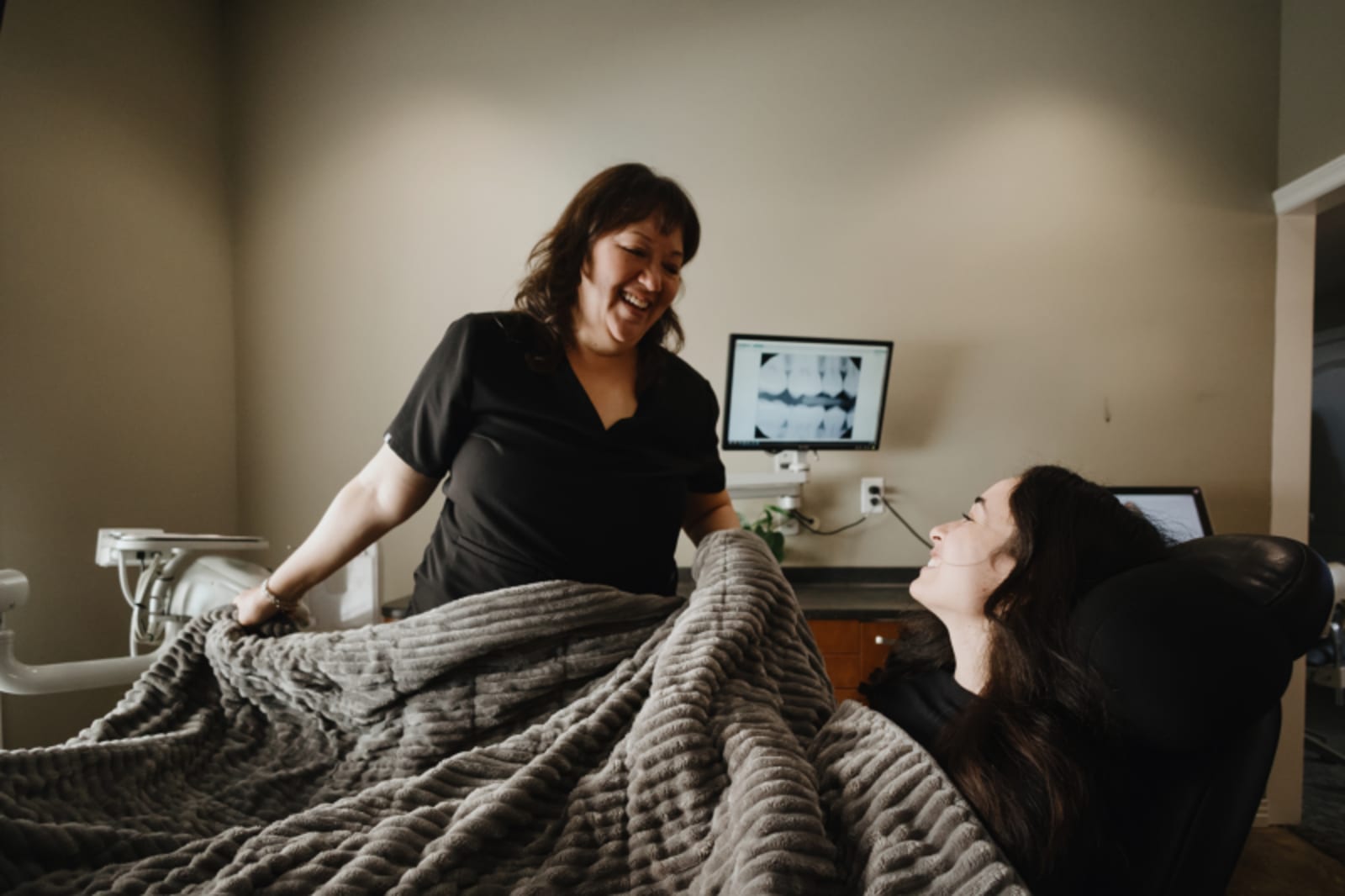
Understanding what happens during a sedation appointment helps reduce uncertainty. At Pristine Dentistry, we walk patients through each step of the process so you know what to expect before, during, and after your visit.
Before Your Appointment
Your sedation appointment begins with a consultation where we review your medical history, discuss your concerns, and determine which sedation option is appropriate for your situation. This consultation allows you to ask questions about the process and understand what will happen during your visit.
Depending on the type of sedation recommended, you will need to prepare in advance:
- Follow any fasting guidelines provided (specific instructions vary by sedation type and will be explained during your consultation)
- Arrange for a responsible adult to drive you to and from the appointment
- Wear comfortable clothing and plan for a quiet day following your procedure
During Your Appointment
Once sedation takes effect, patients typically feel deeply relaxed and drowsy. You remain responsive but are less aware of sounds and sensations in the treatment room. The sedation allows you to feel calm throughout the procedure while our team monitors your comfort and safety continuously.
After Your Appointment
Plan to rest for the remainder of the day following your sedation appointment. Some drowsiness is normal and may last several hours after leaving the office. Having a driver is required for your safety, and you should have someone stay with you at home until you are fully alert.
For additional guidance on managing dental anxiety, you may find our tips for managing dental visit anxiety helpful in preparing for your appointment.
How Much Does Sleep Dentistry Cost, and Does Insurance Cover It?
Cost questions are common when considering sedation dentistry. Several factors influence the final fee for your sedation appointment.
Sedation fees depend on:
- The type of sedation recommended for your situation
- The length of your dental procedure
- Whether multiple treatments are completed in one visit
- The complexity of your dental work
Insurance coverage varies by plan. Some insurance plans cover sedation when there is a documented medical need or severe dental anxiety. Other plans consider sedation an elective service. Coverage depends on your specific plan and how the claim is submitted.
During your consultation at Pristine Dentistry, our team will review your insurance benefits and explain any financing options available. We provide clear information about costs so you can make an informed decision about your care.
If you have questions about sedation costs or insurance coverage, call our Vista office at (760) 945-4189.
Other Ways Pristine Dentistry Helps Anxious Patients Feel at Ease

Sedation is one approach to managing dental anxiety, but it's not the only one. Many patients find that simple comfort measures and clear communication make a significant difference in their experience.
At Pristine Dentistry, several standard practices help create a more comfortable environment for all patients:
- Patient-controlled pacing: Patients can signal when they need a moment to pause during any procedure.
- Clear explanations: Before beginning any treatment, the dental team explains what will happen and why it's necessary.
- Non-judgmental approach: The practice maintains a professional, welcoming environment regardless of how long it's been since a patient's last visit.
- Gentle technique: Comfort-focused methods are used as standard practice for all procedures.
Dental anxiety often develops from previous experiences where patients felt rushed or dismissed. The approach at Pristine Dentistry focuses on clear communication and patient comfort throughout the treatment process.
For additional guidance on managing dental visit anxiety, patients can review practical preparation strategies. Questions about comfort options can be discussed by calling (760) 945-4189.
Schedule Your Consultation at Pristine Dentistry
Dental anxiety affects many patients, and it should not prevent you from receiving the oral health care you need. At Pristine Dentistry, we understand that each patient's comfort needs are different, and we work with you to find the right approach.
Dr. Ashley Koppel and Dr. Benjamin Koppel provide sedation dentistry options to help patients feel more comfortable during dental procedures. The first step is a consultation where we discuss your concerns, review your medical history, and determine which sedation option may be appropriate for your situation.
During your consultation, we will cover:
- Your previous dental experiences and any specific concerns
- Available sedation options and which may be suitable for you
- What to expect during your appointment
- Pre-appointment preparation and post-appointment care
Our practice is committed to providing professional, knowledgeable care in a comfortable environment. We take the time to explain procedures and answer your questions so you can make informed decisions about your dental care.
Pristine Dentistry is located at 620 S Melrose Dr., Suite 201 in Vista, CA. We are open Monday through Thursday from 8:00 a.m. to 5:00 p.m. To schedule a consultation or learn more about our sedation dentistry options, please contact our office at (760) 945-4189.
Related Articles
CONNECT WITH US
We look forward to meeting you. Call 760-945-4189 or request an appointment online to set up your first visit. We’ll be in touch soon.


